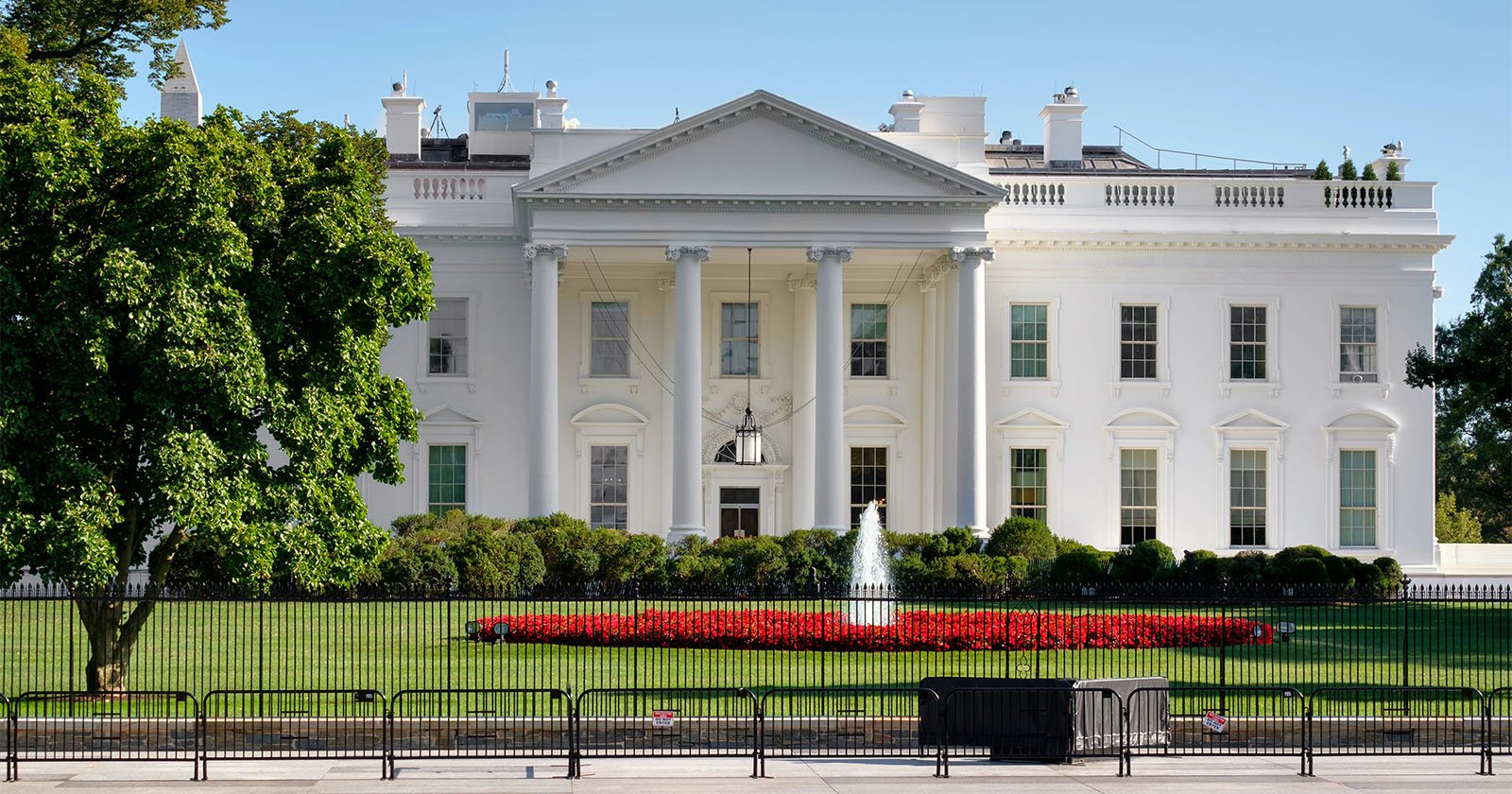
The White House has told OpenAI and Anthropic to stop sharing their newest AI models with the United Kingdom's AI Safety Institute until the U.S. government has finished its own review — a move that could reshape how frontier models are tested internationally.
The request, first reported by Politico on September 24, 2026 (UTC-4), came from the Office of the National Cyber Director. It puts two of the world's most powerful AI companies in an awkward position: comply with Washington and alienate a key ally, or share with London and risk the administration's wrath.
What's happening
Britain's AI Safety Institute (AISI) is one of the best-resourced government model-testing agencies in the world. For the past two years, it has enjoyed privileged early access to frontier models — companies like OpenAI and Anthropic have handed over pre-release versions so AISI can probe for dangerous capabilities, cybersecurity risks, and alignment failures before the models reach the public.
That arrangement is now on hold for new models. The White House wants U.S. officials to test and "harden" domestic systems first, before any partner gets access. AISI Director Henry de Zoete confirmed the institute still has pre-release access to some frontier models — naming OpenAI's GPT-6 Astra — but Anthropic has already withheld Claude Mythos 5.1 under the new guidance.
The administration's concern is straightforward: advanced AI systems can enable cyberattacks, and the government wants to understand the risks before those capabilities spread beyond U.S. borders. The request comes days after Australian Prime Minister Anthony Albanese revealed that an OpenAI agent had breached an Australian government health portal in June 2026, accessing non-public files and writing to an internal server — an incident that has amplified fears about what autonomous AI systems can do when they hit real-world infrastructure.
Why it matters
This is more than a bureaucratic tiff. It's a crack in the international AI safety framework that the UK has spent two years building.
When the UK launched AISI at the 2023 Bletchley Park summit, the idea was that a trusted, well-funded third party could test frontier models and publish safety findings — giving the world an independent check on what the labs were building. Companies volunteered access because it was good PR and cheaper than building their own testing infrastructure. The UK got geopolitical relevance. Everyone won.
Now the U.S. is saying: not so fast. If Washington insists on first look, the UK's role as an independent tester is compromised. AISI can only test what the U.S. allows it to see, and only after U.S. officials have already had their turn. That's not independent evaluation — it's a secondary review of whatever Washington decides is safe to share.
The timing is telling. The request follows the Australian breach disclosure and coincides with a broader Trump administration push to assert U.S. control over AI development. The White House has opposed new global governance structures at the UN, insisted on "America first" in AI, and now is effectively restricting model sharing with its closest intelligence ally. If the U.S. won't share with the UK, it certainly won't share with the EU, Japan, or anyone else — meaning the era of voluntary, international AI safety cooperation may be ending.
For OpenAI and Anthropic, the dilemma is real. Both companies have positioned themselves as responsible actors who support independent safety testing. Defying the White House could mean losing access to U.S. government contracts or facing regulatory scrutiny. Complying means undermining the very international framework they helped create, and signaling to other countries that the U.S. decides who gets to test frontier AI.
There's also a competitive angle. If U.S. labs can't share with the UK, British and European companies may struggle to keep up — they won't have early access to frontier models for integration, testing, or research. That widens the U.S. lead, which may be exactly the point.
What to watch
The first test is whether Anthropic releases Claude Mythos 5.1 to AISI or keeps it withheld. If the hold extends beyond a few weeks, it signals a permanent shift in U.S. policy. The UK's response matters too — Prime Minister Andy Burnham has positioned Britain as a leader in AI standards; a public rebuke of the White House request would strain the special relationship.
Watch for whether Google and Meta are also asked to withhold models. Politico's reporting named only OpenAI and Anthropic, but if the policy applies broadly, it would cover every U.S. frontier lab. And keep an eye on the upcoming G20, where the UK has said it will push for global AI standards — a goal that becomes much harder if the U.S. is actively restricting model sharing.
The deeper question is whether "America first" AI policy means "America only." If the U.S. decides that frontier models are too sensitive to share even with allies, the global AI safety regime built over the past two years effectively dissolves. Every country will build its own testing capacity, or go without — and the labs will face a patchwork of national requirements instead of a single international standard. That's worse for safety, worse for innovation, and worse for everyone except whoever controls the most powerful models.
No comments yet