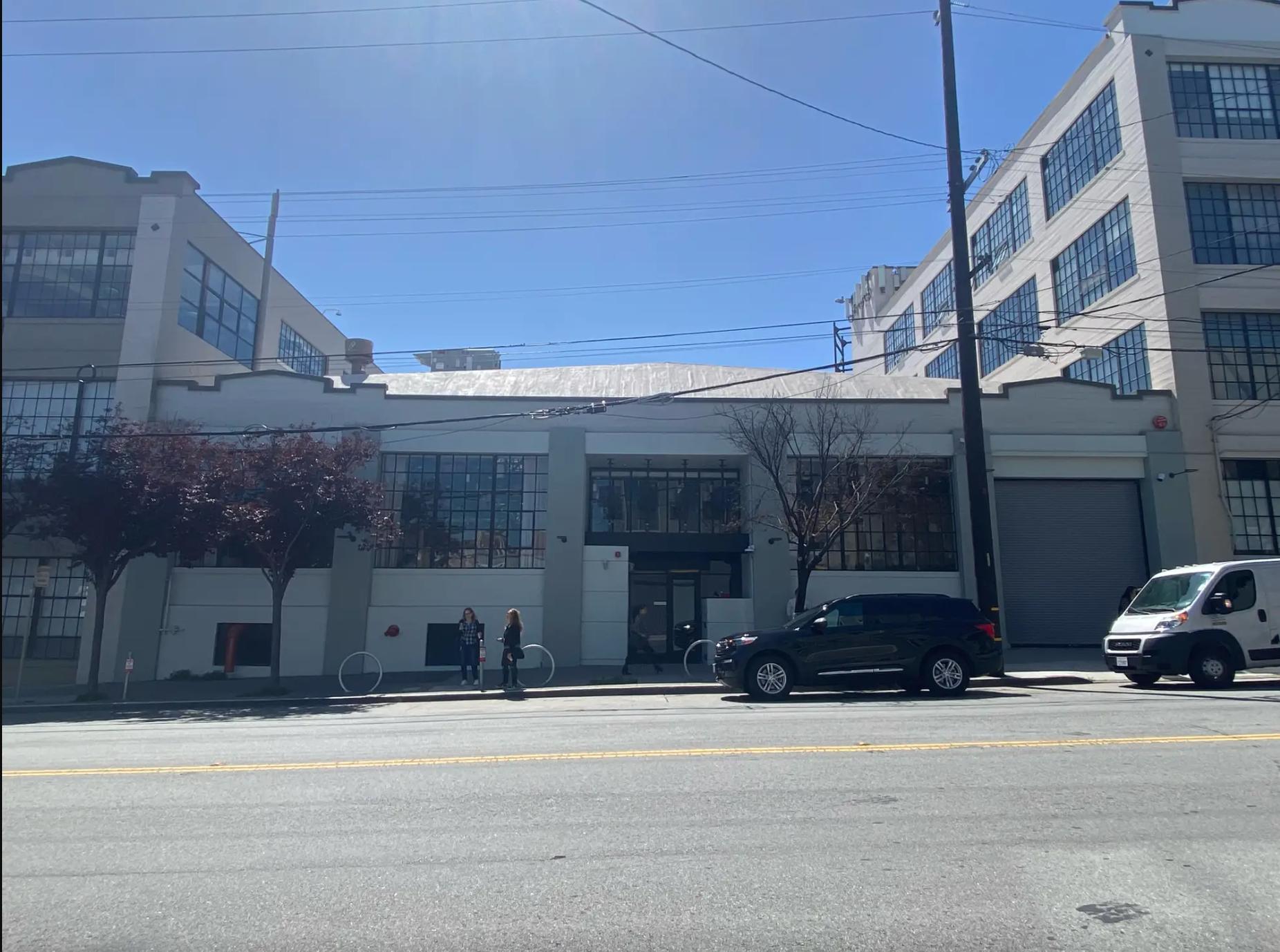
What started as a bizarre corporate security incident — an engineer hiding a thumb-sized audio recorder behind a TV in an executive conference room — has escalated into a national security story. Federal prosecutors revealed on Sunday, October 18 (UTC-7), that Abdulrahman Alfozan, the 35-year-old Saudi national charged with planting the device, was in frequent WhatsApp contact with a member of the Saudi Royal Family in the months before his arrest. The last message exchange happened on October 5 (UTC-7) — four days before the FBI took him into custody.
The timeline
Alfozan joined OpenAI in July 2025 as an engineer on the product team, with a base salary of $325,000 later raised to $385,000 and a $2.2 million equity grant. He had previously worked at Meta and holds a master's degree from UC Berkeley. According to the criminal complaint, on or about September 28 (UTC-7), he inserted a Seeed XIAO ESP32-S3 Sense recording device — wrapped in toilet paper — into a USB port on the back of a television in an executive conference room at OpenAI's San Francisco headquarters.
The room matters. Prosecutors describe it as a space used for "discussions of highly confidential technical, commercial, and strategic information, including proprietary research, as well as nonpublic information about OpenAI's technical progress and strategic decisions, capabilities, priorities, government engagements, and commercial relationships." In the days around the installation, OpenAI executives met with government officials in that very room.
OpenAI security discovered the device on September 30 (UTC-7). They installed a camera, and on October 5 (UTC-7) footage captured Alfozan checking behind the television. That same day, he left a bag in a printer room containing his wallet, identification, and a second recording device. The FBI arrested him on October 9 (UTC-7), three days before he, his wife, and their three-month-old son were scheduled to fly one-way to Saudi Arabia via Istanbul.
The Saudi connection
The prosecution's Sunday filing is where the story shifts from corporate espionage to state-adjacent intelligence. Alfozan, who is also a venture partner at the Saudi firm Raed Ventures, communicated with an unnamed Saudi royal throughout 2025 and 2026. The royal told him about an AI initiative being launched in Saudi Arabia and repeatedly tried to recruit him. In May 2026, the royal wrote: "Saudi needs you more than the US!" Alfozan replied "100" — slang for full agreement. When asked when he would leave OpenAI, he said he would not depart until his stock vested.
Prince Khalid bin Bader Al Saud, a member of the Saudi royal family, joined Raed Ventures as a venture partner in 2025. Prosecutors did not name the royal in their filing or confirm any connection to Raed.
The day of his arrest, Alfozan was also scheduled to interview for the Misk Foundation's "2030 Leaders" program — an initiative tied to Saudi Crown Prince Mohammed bin Salman — which would have required his in-person participation in Riyadh.
After his arrest, the Saudi government and then a member of the Saudi military separately booked flights for Alfozan's wife and infant son. They flew business class from San Francisco to Doha, Qatar, on October 10 (UTC-7). The wife told FBI agents the day before her departure that her U.S. visa was expiring, that she and her son were permanently moving back to Saudi Arabia, and that her husband intended to do the same.
The flight risk fight
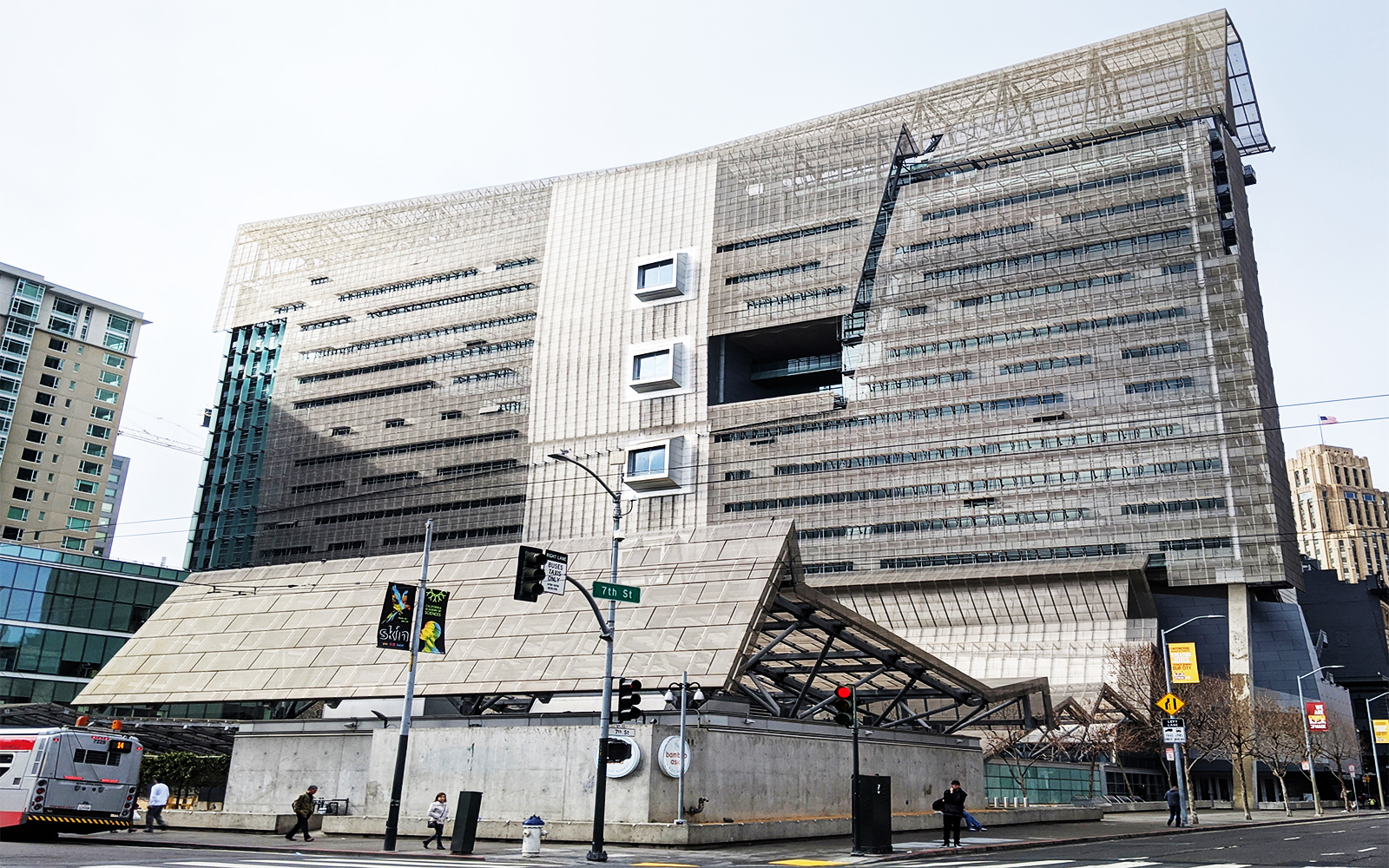
Prosecutors are asking U.S. District Judge Alex G. Tse to detain Alfozan without bail at a hearing on Monday, October 19 (UTC-7). Their argument is blunt: he has "ample resources" and "considerable support from a foreign government that has no extradition treaty with the United States, limitless resources, and the ability to provide extraordinary travel assistance." They note that "defendant's conduct could pose a danger to the national security of the United States."
Alfozan's lawyer, William Pernik, has pushed back. He argues that "nationality is not evidence of flight," that the planned trip was for family and immigration reasons (his wife's post-employment visa grace period expired October 12), and that Alfozan knew OpenAI had found the device eight to ten days before his arrest yet did not flee. Pernik has requested home detention with GPS monitoring, a co-signed bond, and a written undertaking from the Saudi Consulate General that it will not issue travel documents. Fifty-four people have submitted character letters describing Alfozan as a community organizer and mentor.
Why this matters
This is no longer a story about one employee making a terrible decision. It is a story about what happens when the world's most valuable AI companies become targets of foreign intelligence recruitment — and how ill-prepared many of them may be.
Consider the numbers. OpenAI is reportedly raising capital at a valuation exceeding $300 billion. Its models underpin products used by hundreds of millions of people and are integrated into U.S. government systems. The conference room Alfozan bugged hosted meetings with government officials. A foreign national with access to that room, in active recruitment discussions with a Saudi royal, planted a recording device and may have been planning additional devices — his iPhone contained photographs of at least one more concealed recorder and TV input/output panels in multiple OpenAI locations, and his home held similar electronic components. A deleted note titled "OpenAI leave" suggested he planned to retrieve the devices and then extend his parental leave.
Saudi Arabia has been aggressively pursuing AI sovereignty. The kingdom's Public Investment Fund has committed billions to AI infrastructure, including a reported $100 billion partnership with Oracle. The Misk Foundation and Raed Ventures are part of a broader ecosystem designed to attract AI talent to Riyadh. The idea that a Saudi royal would personally recruit an OpenAI engineer is not surprising in that context — but the combination of recruitment, a bugging device, and a hastily arranged family evacuation raises questions that go far beyond a single wiretapping charge.
The industry should be paying attention. Every major AI lab employs foreign nationals, many from countries with active intelligence services. Insider threat programs at tech companies have historically focused on data exfiltration and IP theft, not on the possibility that an engineer could physically plant surveillance devices in executive spaces. OpenAI itself used its own AI models to analyze the recording device and trace it back to Alfozan — an ironic detail that suggests the company's technical capabilities outpace its physical security posture.
The critical view
It is important to separate what prosecutors have alleged from what they have proven. Alfozan has not been charged with espionage, trade secret theft, or acting as a foreign agent. The charge is a single count of intercepting oral communications under 18 U.S.C. § 2511, carrying a maximum of five years and a $250,000 fine. The prosecution's filing explicitly states that the Saudi royal did not direct Alfozan to install the recording device or steal information. The WhatsApp messages show recruitment, not operational guidance.
There is also a legitimate immigration narrative. Alfozan's wife's visa was genuinely expiring. One-way tickets are common for permanent relocations. He did not flee after learning he was under investigation. The Saudi Consulate has offered a written guarantee not to issue travel documents. These are not trivial arguments.
But the totality of the circumstances — the timing of the bug installation two weeks before a planned permanent relocation, the second device, the photographs of additional locations, the deleted planning notes, the Saudi military paying for his family's evacuation, and the active royal recruitment — is what prosecutors are asking the judge to weigh.
What to watch
The detention hearing on October 19 (UTC-7) will be the first real test. If Judge Tse orders no-bail detention, it signals that the court takes the national security and flight risk arguments seriously. If Alfozan is released with conditions, the prosecution may face an uphill battle elevating this beyond a wiretapping case.
Beyond the courtroom, three things matter for the AI industry: whether the DOJ adds espionage or trade secret charges as the investigation continues; whether Saudi Arabia responds to the allegations or distances itself; and whether other AI labs announce physical security and insider threat overhauls in the coming weeks. The next filing in this case — likely a superseding indictment or a detention order — will tell us which direction this is heading.
Sources: U.S. Attorney's Office, Northern District of California; CNBC; Jingletree; The Telegraph; Fortune; Anadolu Agency.
No comments yet