Mark Zuckerberg wants you to stop looking at your phone. He wants you to look through your glasses instead.
At Connect 2026 on September 24, 2026 (UTC-7, Pacific Time), Meta unveiled its most aggressive wearable lineup yet: a pair of VR glasses that weigh about 100 grams, camera-less audio glasses starting at $349, a third generation of its best-selling Ray-Ban Meta smart glasses, and — the software layer tying it all together — Muse, Meta's personal AI agent, coming to eyewear in the coming months.
"We're making personal superintelligence wearable," Zuckerberg said during the keynote. He believes all glasses will eventually become AI glasses, and he's betting Meta can be the company that makes that happen.
What was announced
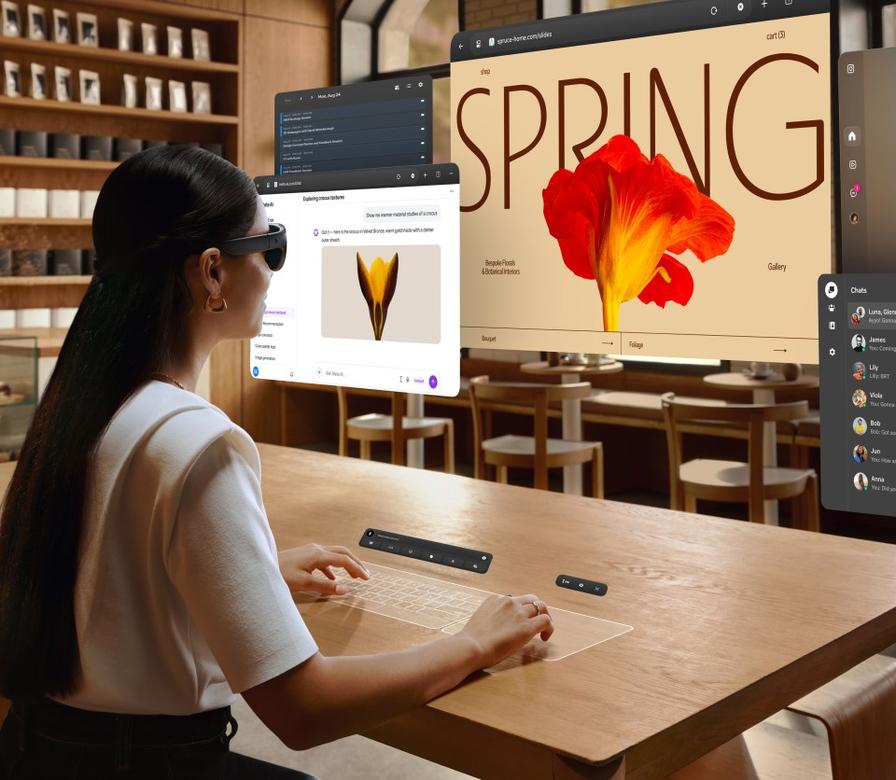
Meta VR Glasses are the headline hardware. At roughly 100 grams — about the weight of a deck of cards — they're a fraction of the bulk of a Quest headset. No straps, no heavy face cushion. They deliver IMAX Enhanced certified video, support 3D streaming from Disney+ and HBO Max, and promise more than 100 immersive live sports events per year through partnerships with ESPN, MLB, NBC Sports, and UFC. You can also turn any flat surface into a virtual keyboard and touchpad for work. They're based on the same Quest OS, so existing apps carry over. Availability is targeted for 2027.
Ray-Ban Meta Audio is Meta's first camera-less AI glasses frame. At $349, it's the cheapest entry point yet: music, calls, and hands-free Meta AI in the lightest, slimmest frame Meta has made, with up to 12 hours of battery life. The pitch is simple — these look like normal glasses, not gadgets, and you can wear them all day.
Ray-Ban Meta (Gen 3) starts at $449 and keeps the camera while adding a slimmer design, longer battery, six microphones for better noise rejection, Dolby Atmos spatial audio capture, and a customizable action button for instant AI access. New Aviator and Cat Eye frames bring the total to 51 style combinations.
By the end of 2026, Meta says it will offer more than 100 different AI glasses styles across Ray-Ban, Oakley, and Meta Glasses — including a collaboration with K-pop star LISA and a new Ivory colorway of the Kylie Jenner Meta Glasses.
Muse moves to your face
The bigger story isn't the hardware. It's that Muse — Meta's personal AI agent, launched September 8, 2026 (UTC-7) — is coming to glasses. Say the agent's name, and Muse can act on what you're looking at without you having to describe it. Point at a product on a shelf, a flier on a wall, or a school supply list, and Muse takes action.
Meta is also adding a long list of Muse connectors: Walmart, Best Buy, Sephora, Ulta, Wayfair, Expedia, Instacart, Notion, GitHub, and Box, alongside Shop Pay and PayPal for payments. Muse gets its own email address so it can handle tasks and correspondence on your behalf. And Muse Charm — a pocket-sized device built around a real-time voice model — was teased for later this year, giving you a way to talk to your agent without wearing glasses at all.
A FDA-cleared hearing enhancement feature is coming to supported glasses for $149.99, set up at home in minutes with no clinic visit required. Meta Ray-Ban Display gets hands-free navigation, a personalized hologram for video calls, and expands to the UK, Canada, France, Italy, and Germany.
Why this matters
Meta Connect 2026 is not really about glasses. It's about a platform shift — from the phone in your hand to the agent on your face. The strategic logic is straightforward: if the next computing interface is ambient and voice-first, whoever owns the hardware owns the distribution. Apple has Vision Pro. Google has Glass Enterprise and Gemini Live. Meta has the only AI glasses people actually buy in volume — Ray-Ban Meta is the best-selling smart glasses in the world — and it's racing to turn that lead into a platform before competitors catch up.
The 100-gram VR glasses are the technical moonshot. If Meta can deliver a true all-day VR experience in a normal glasses form factor by 2027, it changes the calculus for every other headset maker. Quest was a gaming device; VR Glasses are positioned as a personal cinema, workspace, and sports viewer — a general-purpose screen you wear. That's a much larger market.
But there are real questions. The VR glasses are still a year away. Muse on glasses is "coming months," not shipping today. The $349 audio glasses are compelling, but they compete with $150 bone-conduction headphones that do most of the same things. And Meta's track record on hardware reliability — from the Camera Button controversy to early Ray-Ban Meta battery complaints — means consumers may wait for reviews before upgrading.
The hearing enhancement feature is a sleeper. A $149.99 FDA-cleared, home-setup hearing aid inside glasses you already wear could disrupt a $10 billion hearing aid industry dominated by expensive, clinic-fitted devices. If it works well, it's the kind of utility that makes AI glasses feel essential rather than gimmicky.
What to watch
The next six months will tell us whether this is a real platform transition or a product dump. The indicators: Muse on glasses shipping date and real-world latency, whether the 100-gram VR glasses actually hit 2027 with the claimed display quality, and whether Ray-Ban Meta Gen 3 review scores justify the upgrade from Gen 2. If Muse can genuinely act on what you see — not just answer questions about it — the glasses become a productivity tool rather than a novelty. If it can't, they're expensive Bluetooth earbuds with frames.
Meta is betting that the phone's days as the primary AI interface are numbered. The hardware is now in place. The agent is the hard part.
No comments yet